
About the Centre of Excellence for Sustainable Health
To drive the agenda for sustainable health by strengthening capacity, fostering innovation and transforming education and research.
To achieve sustainable health for all, equitably.
Develop capacity to educate to appreciate, design, implement and evaluate sustainable health initiatives.
Develop resources and tools to drive the sustainable health agenda.
Facilitate and promote networks and partnerships for sustainable health.
Conduct research to generate evidence and contribute knowledge to advance sustainable health.
Sustainable health
The Centre defines sustainable health as:
A multisectoral area for study, research and practice towards improving health and well-being for all, while staying within planetary boundaries. This view builds on the definition given in the Brundtland commission and the report Our Common Future.
Read Annual Report 2023
Read Annual Report 2024
Uniting for impact
The Centre was established in 2021 based on experience and holistic perspective of health. Since then we've made significant contributions to research and cultivated impactful partnerships across various educational programs.
-
Celebrating decades of collaboration and academic exchanges
2024
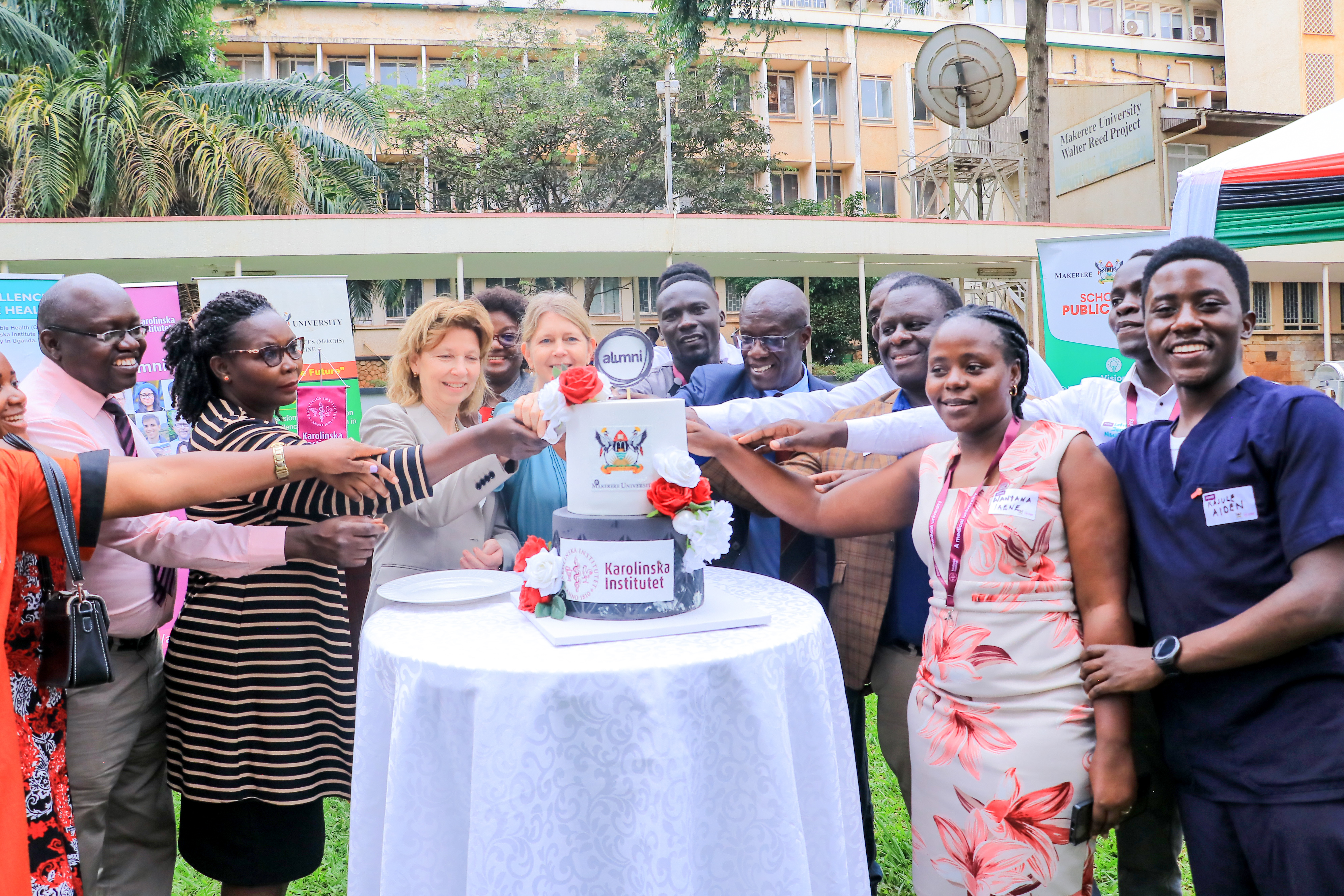
Makerere University in Uganda and Karolinska Institutet in Sweden have been collaborating for nearly 25 years. The President of Karolinska Institutet, Annika Östman Wernerson, visited Makerere University in November 2024. Together with Makerere University and the leadership of the College of Health Sciences, she hosted an alumni event on 11th November to celebrate alumni and the collaboration between KI and Makerere through the Centre of Excellence for Sustainable Health.
Previously in February 2024, a delegation from Karolinska Institutet led by Vice President Martin Bergö visited Makerere University. Martin Bergö was genuinely impressed by the commitment and results arising from this collaboration.
-
Tools for action developed and used
2023
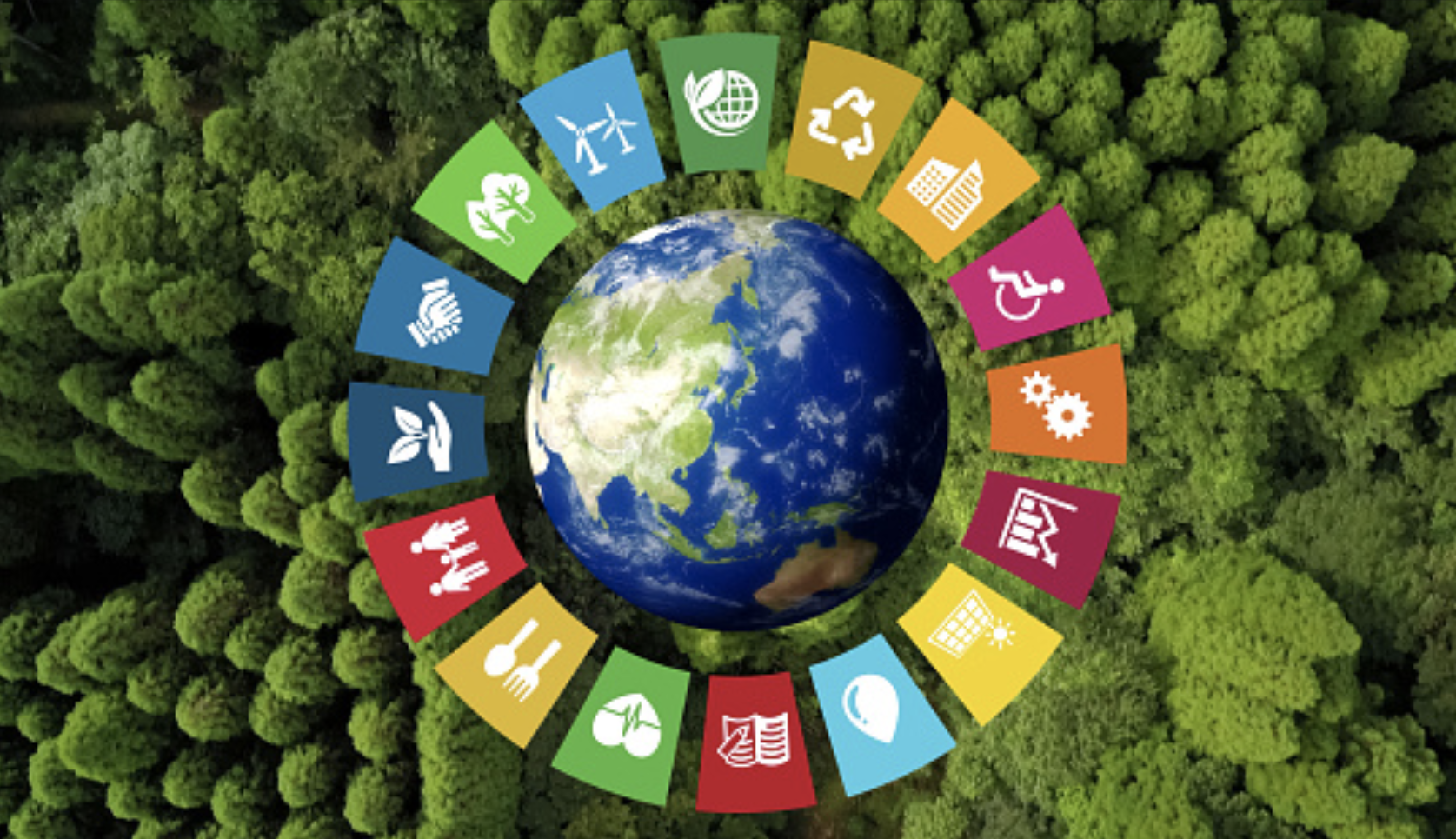
The Centre has identified five areas for Tools for Action that are crucial to accelerate the progress to achieve sustainable health for all. Today they are increasingly being used in African and European countries through dissemination efforts both online and in workshops with different stakeholders.
Read Annual Report 2023
-
Core engagements established
2022
Capacity development and education are cornerstones in our work to mobilise actions to drive the agenda for sustainable health. Read Annual report 2022
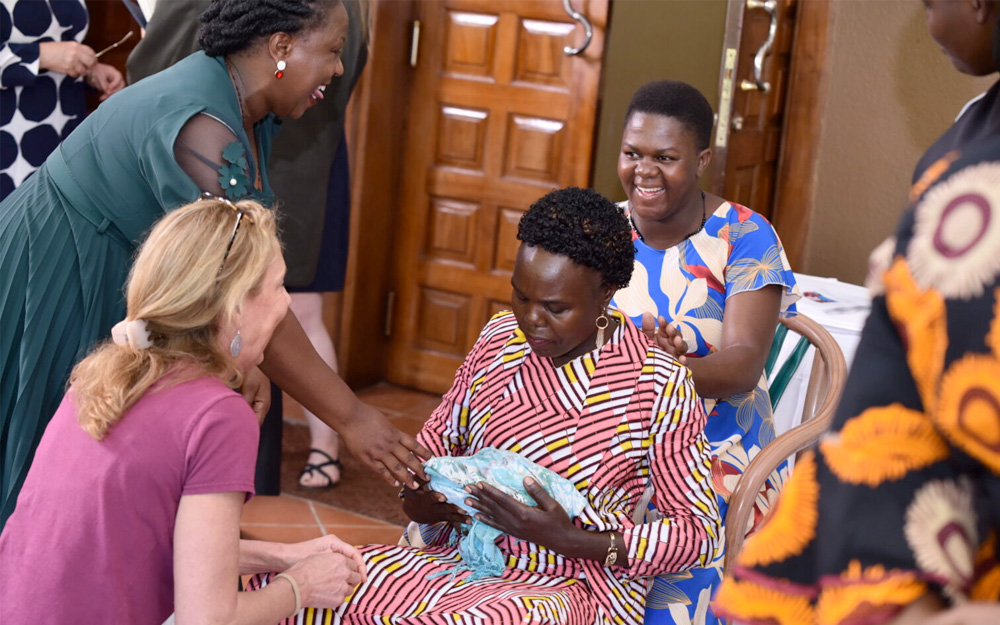
- MIDWIZE program has resulted in significant positive changes in maternal and child health, higher satisfaction with care among women, and better medical outcomes
- MISH leadership program has been delivered to managers in the health care sector in Sub-Saharan Africa
- SDGCap capacity-building program has contributed to positive changes in various areas by uniting local and national stakeholders to focus on sustainable health and development through implementing cost-effective and innovative solutions, reducing poverty, increasing gender equality, and promoting multisectoral collaboration
-
Establishment of the Centre
2021
The Centre of Excellence for Sustainable Health is established to further strengthen the partnership, based on:
- Makerere University’s Strategic Plan 2020-2030
- Karolinska Institutet’s Strategy 2030
- A joint collaboration plan

-
Building a strong partnership
2000-2003
In 2000, Karolinska Institutet in Sweden and the College of Health Sciences at Makerere University in Uganda started to build strong partnership based on strategic planning, mutual trust and a commitment to shared goals. This partnership was initially focused primarily on research.
Since 2003 the collaboration is regulated by formal agreements: a Memorandum of Understanding and an agreement for doctoral education were signed by both parties.
With time, the collaboration expanded to exchange of students and teachers within several educational programmes. An active alumni network of hundreds of healthcare professionals and researchers has grown and reflects the success of this collaboration.

Operated by Karolinska Institutet in Sweden
and Makerere University in Uganda