
When Birth Becomes the Most Dangerous Moment
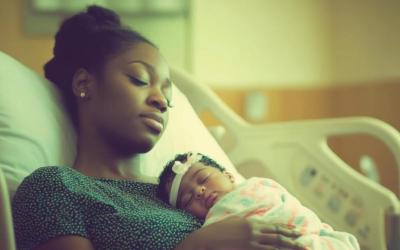
The ward is never quiet during labour. Even at night, there are cries, some sharp with pain, others muted by exhaustion. Monitors beep. Midwives move quickly between beds. In the moments just before birth, everything narrows to breath, pressure, and time.
It was in places like this, years ago, that Phillip Wanduru first learned how fragile that moment can be.
Working as a clinical nurse at Nakaseke Hospital in central Uganda, he watched babies who should have survived struggle for breath. Some were born still. Others cried briefly, then went silent. Many were not premature or unusually small; they were full-term babies whose lives unraveled during labour.
Phillip Wanduru recalls: “What troubled me most was that these were complications we have known how to manage for more than a hundred years - prolonged labour, obstructed labour, and hypertension. And yet babies were still dying or surviving with brain injuries.”