Uganda’s Wetlands: Building Climate Resilience
Wetlands are among the planet’s most powerful natural climate solutions, but they are disappearing at a dangerous pace. Since 2000, Uganda has lost over 7,500 km² of wetlands, with only 8.9% remaining relatively undisturbed. This loss is already increasing flood risk, degrading water quality, and undermining climate resilience in both rural and urban areas.
Protecting wetlands is not only environmental stewardship — it is essential national infrastructure for Uganda’s climate-secure future. Restored wetlands protect communities from floods, cleanse water, store carbon, and support livelihoods. Yet, their full impact remains largely undocumented.
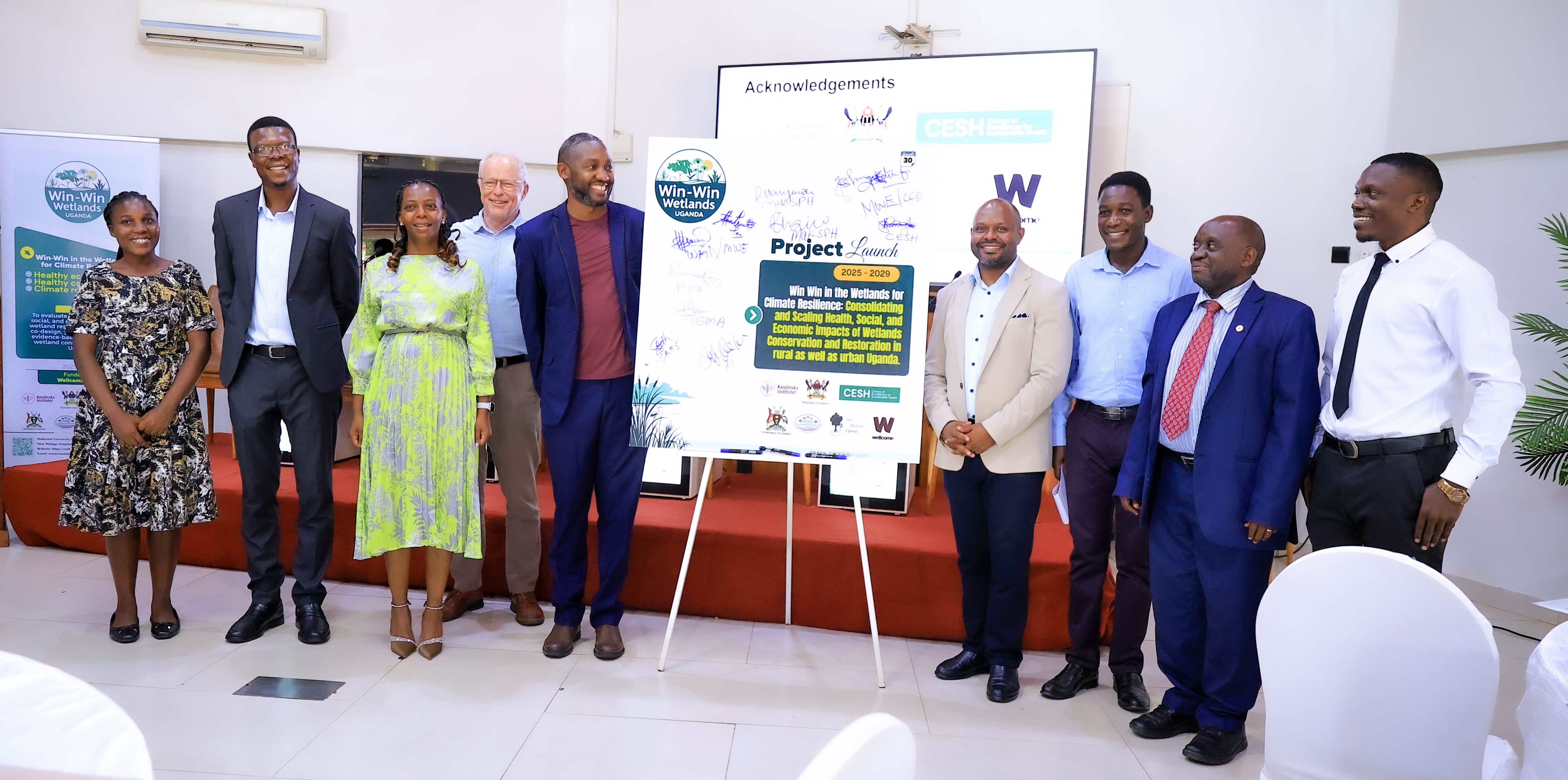
The Win-Win project brings together scientists, communities, policymakers, and storytellers to uncover this “bigger picture” and to shape future conservation strategies across rural and urban Uganda. The project aims to provide the evidence needed to shift from enforcement-led protection to collaborative, community-centered conservation.
- Evaluate the climate, health, social and economic impacts of wetland restoration
- Co-design and pilot new approaches for urban wetland conservation
- Strengthen district and city capacity to inform evidence-based national policies
- Provide the evidence needed to shift from enforcement-led protection to collaborative, community-centered conservation
- Wetlands absorb and store carbon, helping slow climate change
- They filter untreated wastewater, heavy metals, and agricultural runoff — a critical function as pollution increases in urban catchments
- Wetland loss is directly linked to rising flood risks in urban and peri-urban areas
- They support biodiversity, livelihoods, and local economies
- Since 2017, major restoration efforts have been implemented, yet their climate, health, social, and economic impacts have never been comprehensively evaluated
- Evidence and approaches from rural settings have not been adapted or scaled to urban wetlands
- Conservation policies remain enforcement-led, with limited community co-design
- 7,500 km² of wetlands lost since 2000
- 5,000 hectares disappearing every year
- Only 8.9% remain relatively undisturbed
- Key basins affected: Lake Victoria, Lake Kyoga, Albert Nile
- Protecting wetlands is not only environmental stewardship — it is essential national infrastructure for Uganda’s climate-secure future

Rawlance Ndejjo
Lecturer in the Department of Disease Control and Environmental Health
Makerere University, Uganda

Stefan Swartling Peterson
Professor of Global Transformations for Health at the Department of Global Public Health
Karolinska Institutet, Sweden & Makerere University, Uganda

Solomon Wafula
Research Associate in the Department of Disease Control and Environmental Health
Makerere University, Uganda

Winnie Kansiime
Junior Research Associate in the Department of Disease Control and Environmental Health
Makerere University, Uganda

Charles Batte
Social innovator with over 20 years of experience managing and working with youth in the community innovation space in Uganda
Makerere University, Uganda
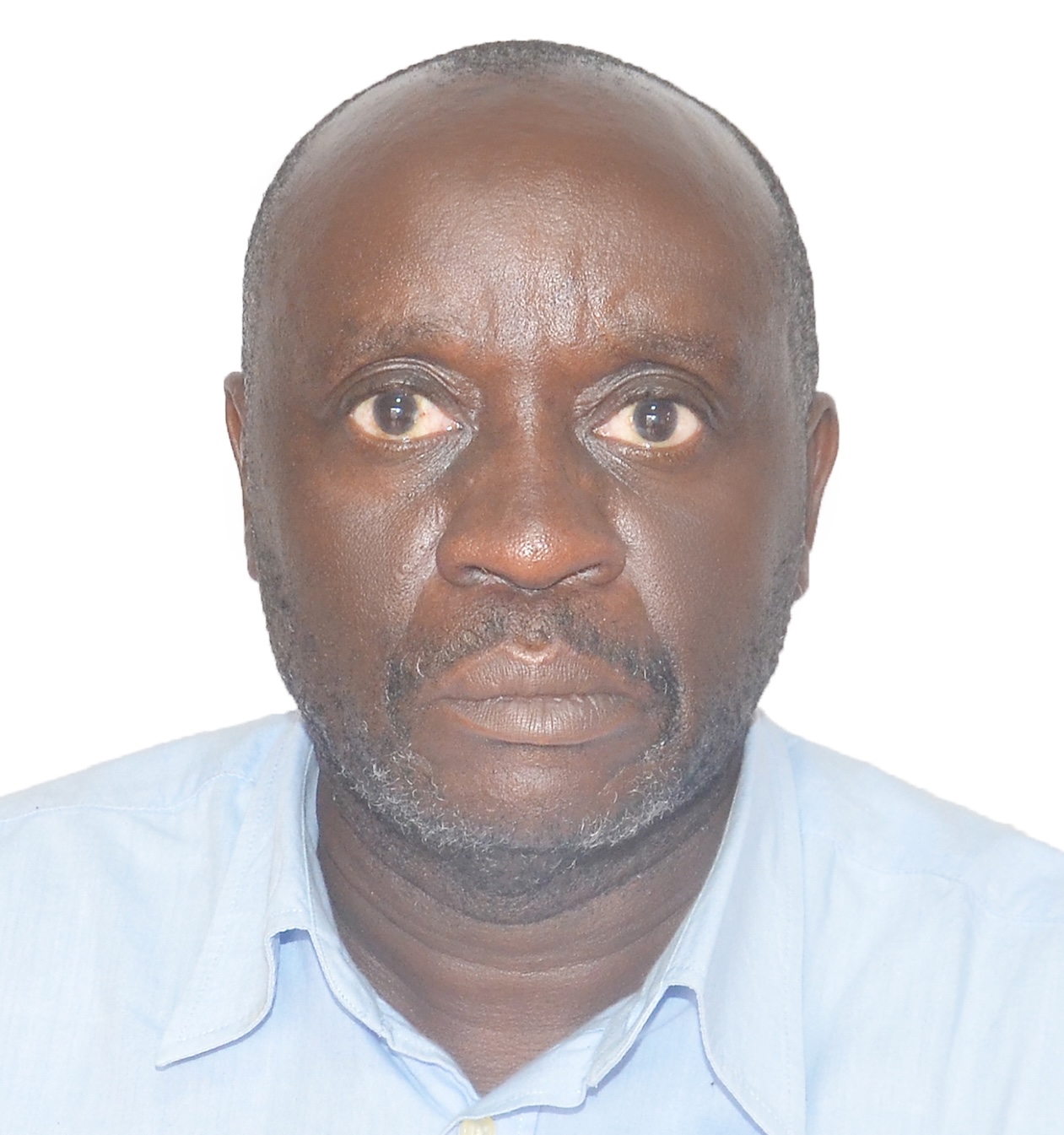
Nyakairu George William Atwoki
Professor at the Department of Chemistry
Makerere University, Uganda

John Bosco Isunju
Lecturer at the Department of Disease Control and Environmental Health at the School of Public Health
Makerere University, Uganda

Perez N Ochanda
Assistant lecturer at the School of Public Health
Makerere University, Uganda